The Difference Between A Felony And A Misdemeanor | Understanding The Difference
Criminal charges can turn your life upside down, but understanding the difference between a felony and a misdemeanor could mean the difference between a temporary setback and life-altering consequences.
Sep 01, 202534.4K Shares459.7K Views
Understanding Felony Vs Misdemeanor Classifications
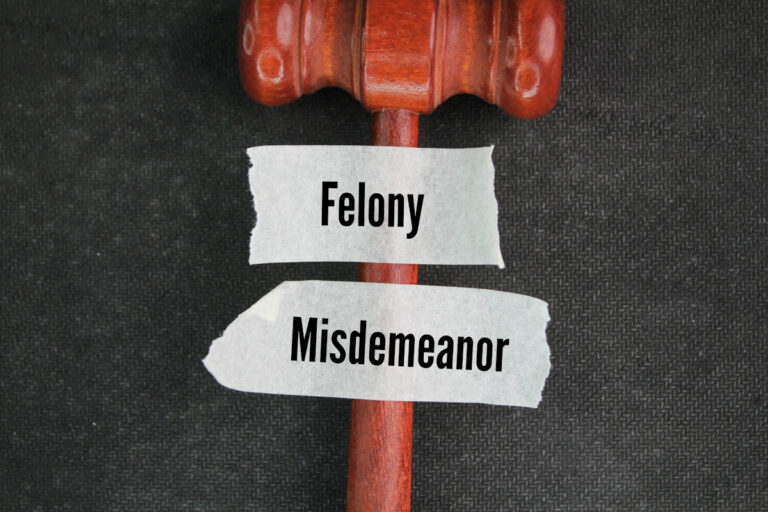
The world of legal terms can be intimidating, especially when you encounter phrases like "felony" and "misdemeanor." These words aren't just labels; they represent a fundamental classification system that determines the severity of a crime and, more importantly, the potential consequences for a person’s life.
Understanding the distinction is crucial, whether you're trying to make sense of a news headline, exploring a career in law, or, in a more stressful situation, dealing with a legal issue yourself. The legal system uses this classification to decide how a crime should be handled, from the type of court it's heard in to the punishment that is handed down.
While the difference might seem simple on the surface, the long-term impact on a person's life is profound and can affect everything from their freedom to their ability to find a job or a place to live. Navigating this can be confusing, so a clear, straightforward guide is essential.
Key Takeaways
- One-year rule: Felonies typically carry potential sentences exceeding one year, while misdemeanors are punishable by less than one year
- Court jurisdiction: Felony cases are handled in superior or district courts, misdemeanors in municipal or magistrate courts
- Civil rights impact: Felony convictions can result in loss of voting rights, gun ownership, and professional licenses
- Employment consequences: Both affect job prospects, but felonies create significantly more barriers
- Record permanence: Misdemeanor records may be easier to seal or expunge than felony convictions
- Classification varies: The same act can be classified differently depending on circumstances and state laws
Legal Definitions And Classifications
Felonies: Serious Criminal Offenses
Felonies are traditionally considered crimes of high seriousness and represent the most severe category of criminal offenses in the American legal system. These crimes typically involve violence, significant harm to persons or property, or substantial threats to public safety and order.
The federal government defines a felony as any offense punishable by imprisonment for more than one year or by death. This classification system helps courts, prosecutors, and lawmakers distinguish between crimes that pose greater dangers to society and those that, while still illegal, represent less severe violations of law.
Felony offenses are often divided into sub-categories to determine appropriatepunishment, such as first-degree, second-degree, or third-degree offenses. In federal sentencing guidelines, felonies are classified into five classes: Class A felonies carry sentences of life imprisonment or death, Class B felonies result in 25 or more years in prison, Class C felonies lead to 10-25 years, Class D felonies carry 5-10 years, and Class E felonies result in 1-5 years of imprisonment.
Common examples of felony offenses include murder, rape, armed robbery, burglary, kidnapping, arson, aggravated assault, drug trafficking, tax evasion, perjury, and identity theft. The severity and nature of these crimes reflect society's judgment that they warrant the most serious legal responses and consequences.
Misdemeanors: Less Serious But Still Significant Crimes
Misdemeanors are less serious than felonies, either because the intent requirement is of a lower level or because the result is less extreme. These offenses typically involve non-violent crimes or violations that, while disruptive or harmful, do not pose the same level of threat to public safety as felonies.
Misdemeanors are usually punishable by jail time of one year or less, fines, or alternative sentencing such as probation, rehabilitation, or community service. Like felonies, misdemeanors are often classified into different categories based on severity. Class A misdemeanors are considered the most serious, carrying punishment of up to one year in county jail and fines up to $4,000 in many jurisdictions.
Class B misdemeanors typically result in up to 180 days in jail and fines up to $2,000, while Class C misdemeanors, being the least serious, often carry maximum fines of $500 and may not include jail time. Examples of misdemeanor offenses include shoplifting, simple assault, driving under the influence (first offense), disorderly conduct, petty theft, vandalism, minor drug possession, harassment, and certain traffic violations.
Key Differences Between Felonies And Misdemeanors
Video unavailable
This video is unavailable: Original link to video
Sentencing And Incarceration
The most fundamental difference between felonies and misdemeanors lies in the severity and duration of punishment. Felonies typically carry longer prison sentences, higher fines, and harsher penalties compared to misdemeanors. Those convicted of felonies usually serve their sentences in state or federal prisons, which are operated by government entities and maintain higher security levels than local jails.
Misdemeanors result in shorter jail terms, typically served in county or local jails that are operated by cities and counties and generally have lower security levels than prisons. The distinction between jail and prison reflects not only the severity of the offense but also the different approaches to rehabilitation and public safety concerns associated with each type of crime.
Civil Rights And Long-Term Consequences
One of the most significant differences between felony and misdemeanor convictions involves the loss of civil rights. Convicted felons may lose their rights to vote, own firearms, serve on juries, and hold public office. These restrictions can be permanent in some states, while others provide mechanisms for restoration of rights after completion of the sentence and other requirements.
In contrast, individuals with misdemeanor convictions generally retain their civil rights. They can usually vote, serve on juries, and possess firearms, though specific restrictions may apply depending on the nature of the misdemeanor offense. This preservation of civil rights represents a recognition that misdemeanor offenses, while serious, do not warrant the same level of societal exclusion as felony convictions.
Employment And Social Impact
Felony convictions create major barriers to employment, as many employers have strict policies against hiring individuals with felony records. Positions requiring professional licenses, such as in healthcare, education, law enforcement, or finance, are often permanently off-limits to individuals with felony convictions, regardless of their qualifications or the time elapsed since conviction.
Misdemeanor convictions, while still detrimental to employment prospects, may not carry the same level of stigma. Some employers may overlook misdemeanor charges, especially if they are unrelated to the position or if significant time has passed since the conviction.
Certain industries maintain cautious hiring practices regarding any criminal record, depending on the nature of the offense and position requirements. Law Firm Ratingsand reviews can be a useful tool for those seeking legal advice, as a lawyer's expertise in these matters can greatly affect the outcome of a case.
Legal Procedures And Court Processes
The procedural differences between felony and misdemeanor cases reflect their varying levels of seriousness. Felony cases often require grand jury indictments, take longer to resolve, involve more court appearances, and come with higher stakes.
Defendants charged with felonies have the right to an attorney, including a public defender if they cannot afford legal representation, and the right to trial by jury with unanimous verdict requirements for conviction. Misdemeanor cases are usually handled more quickly and don't require grand jury proceedings.
While defendants still have rights to legal representation and jury trials in many cases, the procedures are generally more streamlined, reflecting the less complex nature of these offenses and the court system's need for efficiency in handling high volumes of less serious crimes.
Types Of Courts That Handle Felony
Felony cases, which are the most serious types of crimes, are handled by courts with what is known as "general jurisdiction" or "superior jurisdiction." The specific name of the court can vary depending on the country or state. Here is a breakdown of the types of courts that handle felony cases in a typical legal system.
Trial Courts Of General Jurisdiction
This is the primary type of court for felony cases. While the name may differ, they are the main trial courts in a state or country's judicial system. In the United States, they may be called Superior Courts, Circuit Courts, District Courts, or Courts of Common Pleas.
These courts have the authority to hear a broad range of cases, including all types of serious criminal matters. They are where felony cases are initially filed, where preliminary hearings and pretrial motions take place, and where trials are held before a judge and, in many cases, a jury.
Lower Courts With Limited Jurisdiction
While a felony trial is conducted in a court of general jurisdiction, the initial stages of a felony case often begin in a lower court. These courts may be called Magistrate Courts or District Courts (in some jurisdictions). Their role in a felony case is limited to the early procedural steps. For example, a magistrate or a judge in a lower court may:
- Conduct the initial arraignment, where the defendant is formally informed of the charges.
- Set bail or release conditions.
- Hold a preliminary hearing to determine if there is enough evidence, or probable cause, to proceed with a full trial in a higher court.
If probable cause is found, the case is "bound over" or transferred to the appropriate trial court of general jurisdiction.
Appellate Courts
If a defendant is convicted of a felony, they have the right to appeal the verdict or the sentence. This is where appellate courts come into play. These courts do not conduct new trials or hear new evidence. Instead, they review the decisions of the lower trial court to determine if there were any legal errors that affected the outcome of the case.
The names of these courts also vary, but they are typically known as Courts of Appeal or Appellate Courts. The highest court in a jurisdiction, such as a Supreme Court, is the final court of appeals and may hear the most significant felony cases.
Types Of Courts That Handle Misdemeanor
Misdemeanors are less serious crimes than felonies and are typically handled by courts with what is called "limited jurisdiction" or "inferior jurisdiction." The specific names of these courts can vary significantly from one state or country to another. They are designed to efficiently handle a large volume of minor offenses.
Courts Of Limited Jurisdiction
These are the primary courts for misdemeanor cases. They are often referred to by names such as District Courts, County Courts, Municipal Courts, or Magistrate Courts. Their jurisdiction is "limited" because they can only hear specific types of cases, such as misdemeanors, traffic violations, and small civil claims.
Unlike courts of general jurisdiction, they do not have the authority to hear serious felony cases. In these courts, a trial for a misdemeanor is typically conducted before a judge, and the penalties for a conviction are generally limited to fines, probation, community service, or a short jail sentence (typically less than a year).
Municipal And City Courts
These courts are a type of limited jurisdiction court that specifically handles violations of a city's or town's ordinances. This often includes minor misdemeanors like public intoxication, disorderly conduct, or petty theft. They play a vital role in managing the legal matters that arise within a specific municipality.
Magistrate Courts
In some jurisdictions, a Magistrate Courtserves a similar function to a Municipal or District Court. They often handle the initial stages of both misdemeanor and felony cases, such as setting bail and conducting arraignments. However, their trial authority is typically limited to misdemeanors and other minor offenses.
Traffic Courts
While not a criminal court in the traditional sense, traffic courts are a specialized type of limited jurisdiction court that deals with traffic-related offenses. This can include misdemeanors like driving under the influence (DUI) or reckless driving, in addition to minor infractions.
In summary, while felony cases go to a higher court for trial, misdemeanor cases are most often tried and sentenced in a local court with limited jurisdiction, which is designed to handle less serious criminal offenses.
Long-Term Consequences Beyond Prison Time
Criminal convictions, whether a felony or a misdemeanor, create a permanent mark that can have far-reaching negative consequences beyond the immediate court-ordered sentence. These "Long-Term consequences" can severely impact a person's life, from their civil rights and employment prospects to their housing and financial stability.
Criminal Record And Employment
Both felonies and misdemeanors result in a permanent criminal record that is discoverable through background checks. For felonies, this record can be a major barrier to employment, particularly in professions that require a high degree of trust or security, such as law enforcement, healthcare, finance, or education.
Many companies have blanket policies that automatically disqualify applicants with a felony conviction. While a misdemeanor also appears on a background check, it is generally less of a red flag, but still can be a significant obstacle, especially if the offense is related to the nature of the job.
For example, a misdemeanor conviction for petty theft could bar someone from a retail job, or a DUI could prevent a person from being hired for a delivery position. The timing of the offense and evidence of rehabilitation are often considered by employers.
Civil Rights
A key difference between a felony and a misdemeanor lies in the loss of civil rights. In most U.S. states, a felony conviction can lead to the temporary or permanent loss of fundamental civil rights, including the right to vote, the right to own or possess a firearm, and the right to serve on a jury.
These rights are often restored after a person completes their sentence, including probation or parole, but the process can be complex and varies by state. In contrast, misdemeanor convictions rarely result in the loss of these civil rights, and if they do, it's typically for a very specific and limited period.
Professional Licenses
Many professions are regulated by licensing boards that have strict "good moral character" requirements. A felony conviction can lead to the revocation of an existing license or the denial of a new application. This can apply to a wide range of fields, from law and medicine to cosmetology and construction.
While a misdemeanor is less likely to result in an outright denial, it can still trigger an in-depth review by the licensing board, especially if the offense is directly related to the profession's ethical standards. For instance, a nurse convicted of a misdemeanor drug offense could face disciplinary action, even without a felony on their record.
Immigration Status
For non-citizens, both types of convictions can have severe immigration consequences. Felony convictions, especially those considered "crimes of moral turpitude" or "aggravated felonies," can lead to deportation, inadmissibility to the U.S., or the denial of a green card or citizenship application.
Misdemeanors can also cause immigration trouble, but generally carry less severe consequences. Repeat misdemeanors or certain types of misdemeanors, such as those involving domestic violence or drugs, can still result in deportation or other penalties for non-citizens.
Housing And Financial Stability
A criminal record, whether a felony or a misdemeanor, can make it difficult to secure stable housing. Landlords often run background checks and may deny a rental application based on a conviction, particularly a felony.
The same applies to financial stability; a criminal conviction can be a red flag for banks, making it harder to get a loan, a mortgage, or professional insurance. Again, the severity of the offense matters, with felonies being a much greater obstacle.
Record Clearing And Expungement
The ability to clear or seal a criminal record is a significant difference. Many jurisdictions allow for the expungement or sealing of certain misdemeanor offenses, particularly after a specific period of time without further legal trouble. This process can make the conviction invisible to most background checks, effectively giving the person a clean slate.
Felonies, are far more difficult to expunge. In some cases, it may be impossible, while in others, it can take many years of good behavior and a successful petition to the court. This permanent nature of a felony record underscores its lasting impact on a person's life.
How Charges Can Change During Legal Proceedings

How to Get Felony Charge Reduced to Misdemeanor
Criminal charges aren't set in stone at the time of arrest. Prosecutors have discretion to modify charges based on evidence, plea negotiations, or case circumstances. Understanding this flexibility is crucial for anyone facing criminal charges.
Charge reduction represents one of the most common and beneficial outcomes of effective legal representation. Skilled attorneys often negotiate felony charges down to misdemeanors, which can dramatically reduce both immediate penalties and long-term consequences. These negotiations might involve accepting responsibility for a lesser offense in exchange for dismissal of more serious charges.
Conversely, charges can also be elevated if additional evidence emerges or if initial charges were filed conservatively. Prosecutors might add charges if they discover additional victims, find evidence of more extensive criminal activity, or if defendants fail to comply with pretrial conditions.
The timing of charge modifications varies. Some changes occur early in the process based on initial evidence review, while others happen closer to trial as part of plea negotiations. Understanding these possibilities helps defendants and their families make informed decisions about legal strategy and potential outcomes.
Diversion programs represent another path that can affect final charges. First-time offenders or those charged with specific types of crimes might be eligible for programs that result in charge dismissal upon successful completion of requirements like community service, counseling, or restitution.
State Variations In Classification Systems
The definitions and classification of offenses as felonies and misdemeanors differ from state to state, creating a complex patchwork of criminal law across the United States. What constitutes a felony in one state might be classified as a misdemeanor in another.
Texas, like virtually every other State, divides its crimes into two overarching categories – misdemeanors and felonies. Not only that, but Texas breaks felonies into two categories – State Jail Felonies, and every other felony, and misdemeanors into three categories – Class A, Class B and Class C. This state-specific approach means that understanding local laws is crucial.
Dollar thresholds for theft-related felonies vary significantly. Some states set the felony threshold at $500, while others use $1,000, $1,500, or even $2,500. These differences can dramatically affect the consequences of identical criminal acts depending on where they occur.
Drug possession laws show even more variation. Some states have decriminalized marijuana possession entirely, while others still classify any possession as a misdemeanor or felony. The same applies to other controlled substances, with different states taking vastly different approaches to drug-related crimes.
Federal versus state jurisdiction adds another layer of complexity. Some crimes can be prosecuted at either level, and federal charges often carry more severe penalties than their state equivalents. Understanding which jurisdiction will handle your case affects everything from potential sentences to available defense strategies. A deep understanding of these legal distinctions is also crucial for those considering different lawyer career paths.
When Records Can Be Sealed Or Expunged
Record sealing and expungement policies vary significantly between states and depend heavily on the type and level of conviction. Generally, misdemeanor records are more likely to be eligible for sealing or expungement than felony records, but specific eligibility requirements vary widely.
Many states allow first-time offenders to seal misdemeanor records after completing their sentences and maintaining clean records for specific periods. Some states automatically seal certain juvenile records, while others require formal petitions and court hearings.
Expungement completely removes records from most background check systems, while sealing typically restricts access to certain agencies and employers but doesn't eliminate records entirely. Understanding the difference is crucial when evaluating long-term strategies for dealing with criminal convictions.
Timing requirements for record sealing or expungement can range from immediately after sentence completion to five or more years of clean behavior. Some states never allow expungement of certain crimes, particularly violent offenses or those involving victims.
The process typically requires legal filings, court fees, and sometimes hearings where prosecutors can object to expungement requests. Success rates vary based on the specific crime, the defendant's subsequent behavior, and the quality of legal representation during the expungement process.
The Impact Of Plea Bargaining In Felony And Misdemeanor Cases

How Can A Plea Bargain Avoid A Felony Conviction? - Criminal Defense Law Uncovered
Plea bargaining has become a cornerstone of the criminal justice system. Instead of risking the uncertainty of a full trial, many defendants choose to negotiate a deal with the prosecution.
In both felony and misdemeanor cases, this can mean reduced charges, lighter sentences, or even avoiding jail time altogether. It also saves valuable time and resources for courts, lawyers, and defendants alike.
For example, someone facing a felony charge might agree to plead guilty to a lesser offense in return for a shorter sentence. In misdemeanor cases, plea bargains are even more common, often helping people resolve their cases quickly without the stress of a lengthy trial.
Because every deal comes with long-term consequences, having a knowledgeable criminal defense attorney is essential. A seasoned lawyer can carefully evaluate an offer, explain the risks and benefits, and ensure the decision protects the defendant’s future as much as possible.
Probation As An Alternative To Incarceration
Probation is another key tool in the justice system, offering people the chance to serve their sentence outside of prison while still being supervised. Courts often grant probation in misdemeanor cases, but in some situations, even felony offenders, particularly first-time offenders, can qualify.
While on probation, individuals must follow strict rules set by the court. These might include regular check-ins with a probation officer, drug and alcohol testing, steady employment, counseling, or community service. If someone breaks these rules, the court can revoke probation and impose harsher penalties, including jail time.
Having a skilled defense attorney argue for probation instead of incarceration can change the course of a case. It opens the door to rehabilitation, keeps families together, and allows people to rebuild their lives while still being held accountable under the law.
Frequently Asked Questions
Can A Felony Charge Be Reduced To A Misdemeanor?
Yes, felony charges can often be reduced to misdemeanors through plea negotiations or legal motions. This typically happens when prosecutors agree to lesser charges in exchange for guilty pleas, or when defense attorneys successfully argue that evidence doesn't support felony-level charges. The possibility depends on the specific crime, evidence strength, defendant's criminal history, and prosecutorial discretion.
How Long Do Misdemeanor And Felony Convictions Stay On Your Record?
Most convictions remain on criminal records permanently unless actively sealed or expunged through legal processes. However, many background check companies only report convictions from the past seven years for employment purposes, though this varies by state and employer type. Some states automatically seal certain records after specific periods, while others require formal petitions.
Do Employers Always Reject Applicants With Criminal Records?
No, employer practices vary widely. Many companies have "ban the box" policies that delay criminal history inquiries until later in the hiring process. Some employers only consider convictions directly related to job duties, while others focus primarily on felony convictions. Federal and state laws increasingly limit how employers can use criminal history in hiring decisions.
What's The Difference Between Probation For Felonies Versus Misdemeanors?
Felony probation typically lasts longer, involves more intensive supervision, and includes stricter conditions than misdemeanor probation. Felony probationers often must report to officers monthly or more frequently, while misdemeanor probation might involve quarterly check-ins or even just mail-in reports. Violating felony probation usually results in more severe consequences, including longer prison sentences.
Can You Vote While On Probation For A Misdemeanor?
In most states, misdemeanor convictions don't affect voting rights, even during probation. However, some states restrict voting rights for any criminal conviction until probation completion. A few states allow voting while incarcerated for misdemeanors but not felonies. Check your specific state laws, as voting rights restoration varies dramatically across jurisdictions.
Are There Crimes That Are Always Felonies Regardless Of Circumstances?
Yes, certain crimes are classified as felonies in all states regardless of specific circumstances. These typically include murder, rape, kidnapping, and armed robbery. However, the degree or class of felony might vary based on aggravating or mitigating factors. Even these serious crimes might have different names or classifications across states while maintaining felony status.
How Does Criminal Classification Affect Sentencing Options?
Felony convictions typically offer fewer alternative sentencing options than misdemeanors. Misdemeanor cases often allow for community service, electronic monitoring, work release, or deferred prosecution programs. Felony cases might require minimum prison sentences or have limited eligibility for alternative programs, though this varies by jurisdiction and crime type.
Can You Own A Gun With A Misdemeanor Conviction?
Generally, yes, though specific restrictions apply. Federal law prohibits gun ownership for felony convictions and certain misdemeanor domestic violence convictions. Some states impose additional restrictions for other misdemeanor convictions. Background check systems flag prohibiting convictions, but most misdemeanors don't affect gun ownership rights unless they involve domestic violence or specific violent crimes.
Do Juvenile Records Affect Adult Felony Versus Misdemeanor Classifications?
Juvenile records typically don't directly affect adult charge classifications, but they can influence prosecutorial decisions and sentencing. Prosecutors might file more serious charges against adults with extensive juvenile histories. However, most states seal juvenile records and limit their use in adult proceedings, though exceptions exist for serious violent crimes.
What Happens If You're Charged With Both Felonies And Misdemeanors?
Cases involving multiple charge types proceed through the court system that handles the most serious charges, typically the felony court. Sentences can run concurrently (simultaneously) or consecutively (one after another), depending on judicial discretion and plea agreements. Plea negotiations often address the entire case package, potentially reducing felony charges in exchange for guilty pleas to misdemeanor charges.
Conclusion
Understanding the difference between a felony and a misdemeanor is the first step to understanding the legal system. It is a fundamental distinction that is based on the severity of a crime and the harm it causes to society.
A misdemeanor is a less serious offense with a maximum punishment of a year in jail, while a felony is a serious crime that can result in a prison sentence of more than a year. The consequences of a conviction can also have a lasting impact on a person's life, affecting their employment, housing, and civil rights.
If you or someone you know is facing criminal charges, it is important to seek legal counsel from a qualified attorney. The information provided here is for educational purposes only and is not a substitute for professional legal advice.
Jump to
Understanding Felony Vs Misdemeanor Classifications
Key Takeaways
Legal Definitions And Classifications
Key Differences Between Felonies And Misdemeanors
Types Of Courts That Handle Felony
Types Of Courts That Handle Misdemeanor
Long-Term Consequences Beyond Prison Time
How Charges Can Change During Legal Proceedings
State Variations In Classification Systems
When Records Can Be Sealed Or Expunged
The Impact Of Plea Bargaining In Felony And Misdemeanor Cases
Probation As An Alternative To Incarceration
Frequently Asked Questions
Conclusion
Latest Articles
Popular Articles