French Law On Paparazzi Photos: Risks, Privacy & AI Rules 2026
French law on paparazzi photos: understand private vs public spaces, the consent/identifiability risk, and how AI edits and montages change exposure.
Feb 14, 2026156 Shares5.5K Views
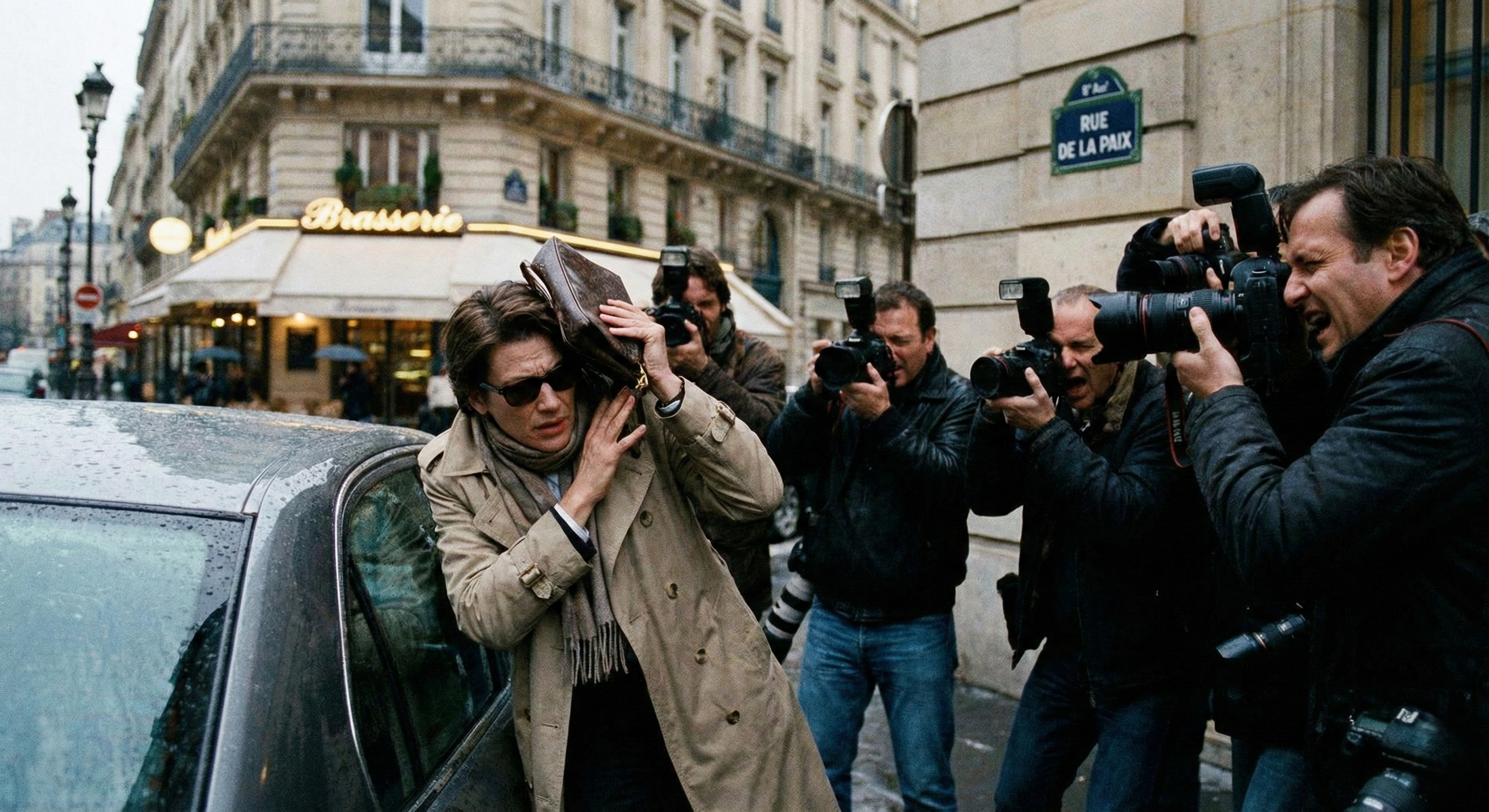
French Law On Paparazzi Photos: Navigating The World’s Strictest Privacy Rules
A paparazzi photo can feel public because it was taken on a street. In France, that’s often the wrong instinct. The legal risk usually isn’t the camera click; it’s the identifiable person, context, publication/use that triggers privacy and image-right claims.
This page is written for people who need practical clarity, photographers, editors, creators, brands, and anyone who’s been photographed. It’s not legal advice; it’s a high-signal map of how French rules typically work in real life, and where to slow down.
Key Takeaways: France's Privacy Pillars
- Article 9 Sovereignty: Every individual in France has a right to the protection of their private life (vie privée).
- The Consent Rule: Identifying a person in a photograph usually requires their explicit permission before publication.
- Private vs. Public: Privacy protections are absolute in private spaces and highly restrictive in public ones.
- Severe penalties: Up to 1 year in prison and €45,000 may apply to specific offenses, such as private-place image capture or non-consensual location capture/transmission (Article 226-1).
- Civil track is more common: Many disputes over publication are handled as privacy/image-right claims under Civil Code Article 9 injunctions, seizure measures, and damages.
The Core Of French Privacy: Article 9 And The Right To Image
The foundation of all French privacy litigation is Article 9 of the Civil Code, which states simply: Everyone has the right to respect for their private life.
This isn't just a suggestion; it is the bedrock of French social order. Over decades, French courts have interpreted this to include the droit à l’image, the right to control how your likeness is captured and shared.
In my years analyzing EU media regulations, I have found that while most countries view privacy as a shield against government overreach, France views it as a sword that citizens can use against anyone, including the press and fellow citizens.
Defining Droit À L’image
In France, your image belongs to you. This means that even if you are in a public park, you have the right to oppose the reproduction and distribution of your likeness if you are the main subject of the shot.
A common practical test used in French guidance is whether the person appears isolated and recognizable (for example, due to framing/cropping), even in a public place.
And recognizable isn’t only a face identifiability, but can also come from context, such as location, distinctive clothing, tattoos, or companions.
The law assumes that by taking and publishing a photo of someone without their consent, you are infringing on their personality rights.
The Absolute Boundary: Private Vs. Public Spaces
The distinction between private and public is sharp under the French Penal Code (Article 226-1).
- Private Spaces: Any home, private garden, or hotel room is sacrosanct. Capturing an image of someone in these locations without consent, even with a long-range telephoto lens from a public street, is a criminal offense.
- Public Spaces: While you can technically take photos in a public square, the moment that photo identifies a specific person as the central subject rather than an incidental part of a crowd, you enter a legal gray zone.
French Law On Paparazzi Photos: What’s Legal To Shoot Vs Legal To Publish In France
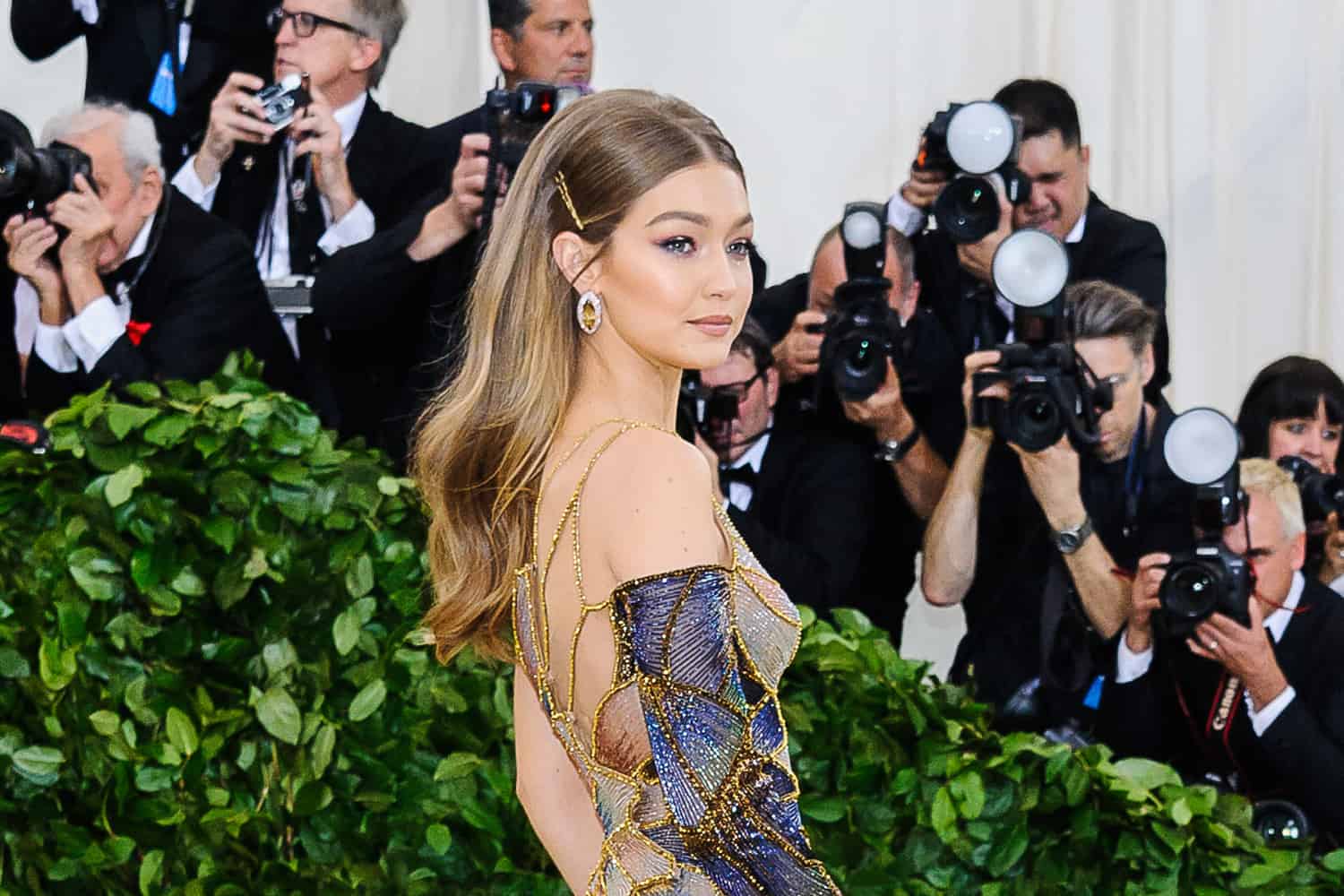
A paparazzi photo can feel public because it was taken on a street. In France, that’s often the wrong instinct. The legal risk usually isn’t the camera click, it’s the identifiable person, context, publication/use that triggers privacy and image-right claims.
This page is written for people who need practical clarity: photographers, editors, creators, brands, and anyone who’s been photographed. It’s not legal advice; it’s a high-signal map of how French rules typically work in real life, and where to slow down.
The Fastest Way To Understand French Law On Paparazzi Photos
- France strongly protects private life: everyone has a right to privacy, and judges can order rapid measures to stop a violation.
- Criminal risk spikes in private places: capturing or transmitting someone’s image in a private place without consent can be a criminal offense (and publishing an illegally obtained recording/document can also be penalized).
- Public street doesn’t mean free to publish: even in public, publishing an identifiable person’s image can still be challenged under privacy/image-right principles, especially if it’s intrusive or purely sensational.
- Consent for the photo ≠ consent for the use: agreeing to be photographed doesn’t automatically allow commercial or promotional use.
- Online spreads forever: French authorities treat image rights as applying online too, so publishing on social can still require permission or create liability.
What Counts As Paparazzi Behavior In France
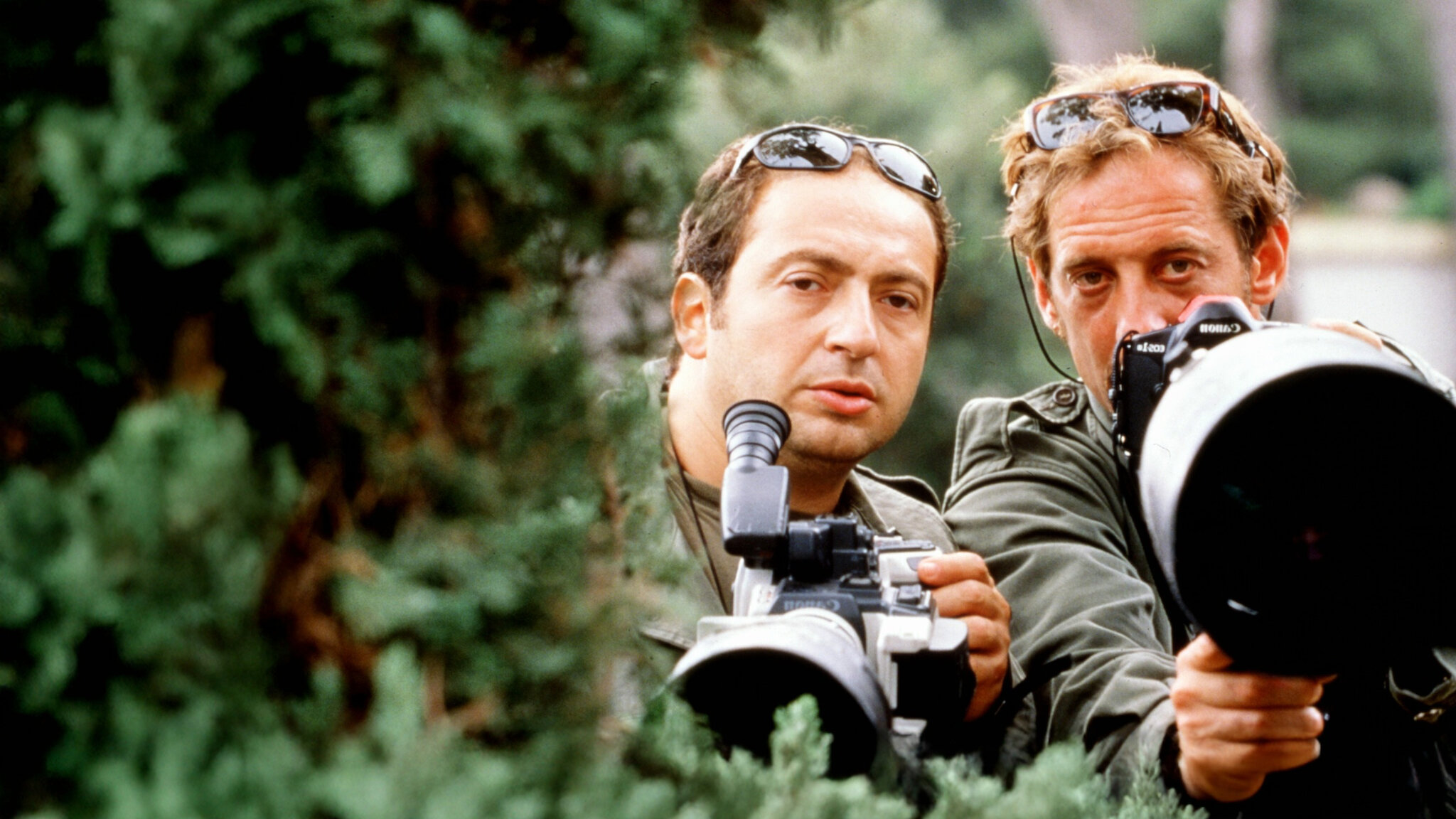
If you’re hoping for a legal definition of paparazzi, you’ll mostly find something else: French law focuses on what was done, not on what the person is called.
Paparazzi Isn’t A Legal Category; Capture, Intrusion, And Use Are
In real disputes, the question is rarely Was this taken by paparazzi? It’s usually:
- Was the person identifiable?
- Was the scene part of private life?
- Was it taken in a private place or using intrusive methods?
- Was it published, and if so, for what purpose?
Those facts determine the legal path of civil privacy/image claim, criminal privacy offense, platform takedown, etc.
The Three-step Framework
Use this mental model to avoid common mistakes:
- CaptureRisk rises sharply if you’re effectively capturing private life from a private place.
- Publish Even a lawful capture can become risky when published, especially if it’s intrusive, humiliating, or purely sensational.
- Monetize Commercial use is where I took the photo, or stops being the relevant point; you’re now in authorization territory, your scope, duration, territory, and purpose.
The Consequences: Fines, Jail, And The Penal Code
French law does not distinguish between a professional paparazzi and an amateur blogger when it comes to the core violation.
If you publish a photo that infringes on someone’s vie privée, the Republic provides the victim with a dual-track legal arsenal that is among the most aggressive in the world.
To understand the stakes, one must look at how French courts balance the ledger of personal dignity. This section breaks down the severe financial and carceral risks inherent in unauthorized photography.
French law gives subjects two different legal pathways: civil (most common for publication disputes) and criminal (for defined privacy offenses).
Civil Liability: The Price Of Droit À L'image
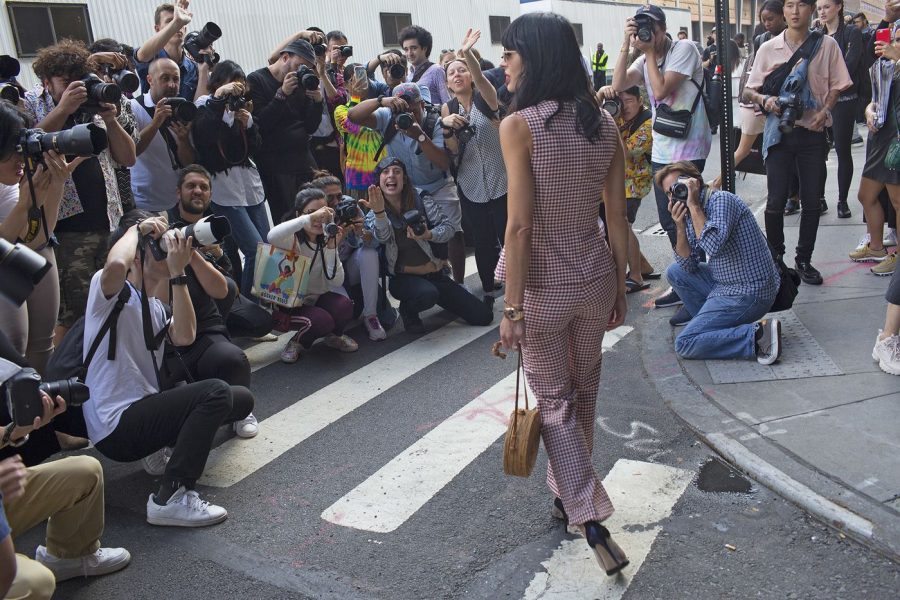
If publication intrudes on private life, a judge can order measures to stop or prevent the harm, including seizure/escrow-type measures and award damages. These measures can be ordered urgently (en référé) when there is urgency.
Most paparazzi disputes are handled in Civil Court. Under Article 9 of the Civil Code, the mere fact that a privacy breach occurred is enough to warrant compensation even if the photographer didn't intend to cause harm.
The subject sues for damages, often resulting in hefty payouts and the immediate seizure or removal of the digital or physical media.
In my experience reviewing French case law, courts are remarkably swift in granting summary proceedings(référé).
This means a judge can order a website to take down a photo or a magazine to be pulled from shelves within 24 to 48 hours of the infringement being reported.
Criminal Charges: When Privacy Becomes A Felony
Criminal penalties attach to specific acts, such as fixing/recording/transmitting a person’s image in a private place without consent and capturing/recording/transmitting someone’s location (real-time or delayed) without consent.
The maximum penalty stated in the text is 1 year imprisonment and a €45,000 fine.
While the financial toll is significant, the criminal record attached to such a conviction can effectively end a professional journalist's career or lead to permanent travel restrictions for foreign nationals.
Common Paparazzi Scenarios
Here’s a set of realistic scenarios that show how French analysis tends to work. These are illustrative, not case-specific predictions.
Scenario 1: A Celebrity Walking On A Paris Sidewalk
While capturing a clear photo of a celebrity in daylight on a public street is generally considered lower risk, the legal danger shifts significantly during publication.
If the image is a neutral, street-style shot, it may pass as a public interest exception. However, if the framing reveals private companionship, includes their children, or exposes their specific place of residence, the legal risk climbs as it encroaches upon their protected private life.
Scenario 2: Long Lens Into A Hotel Room
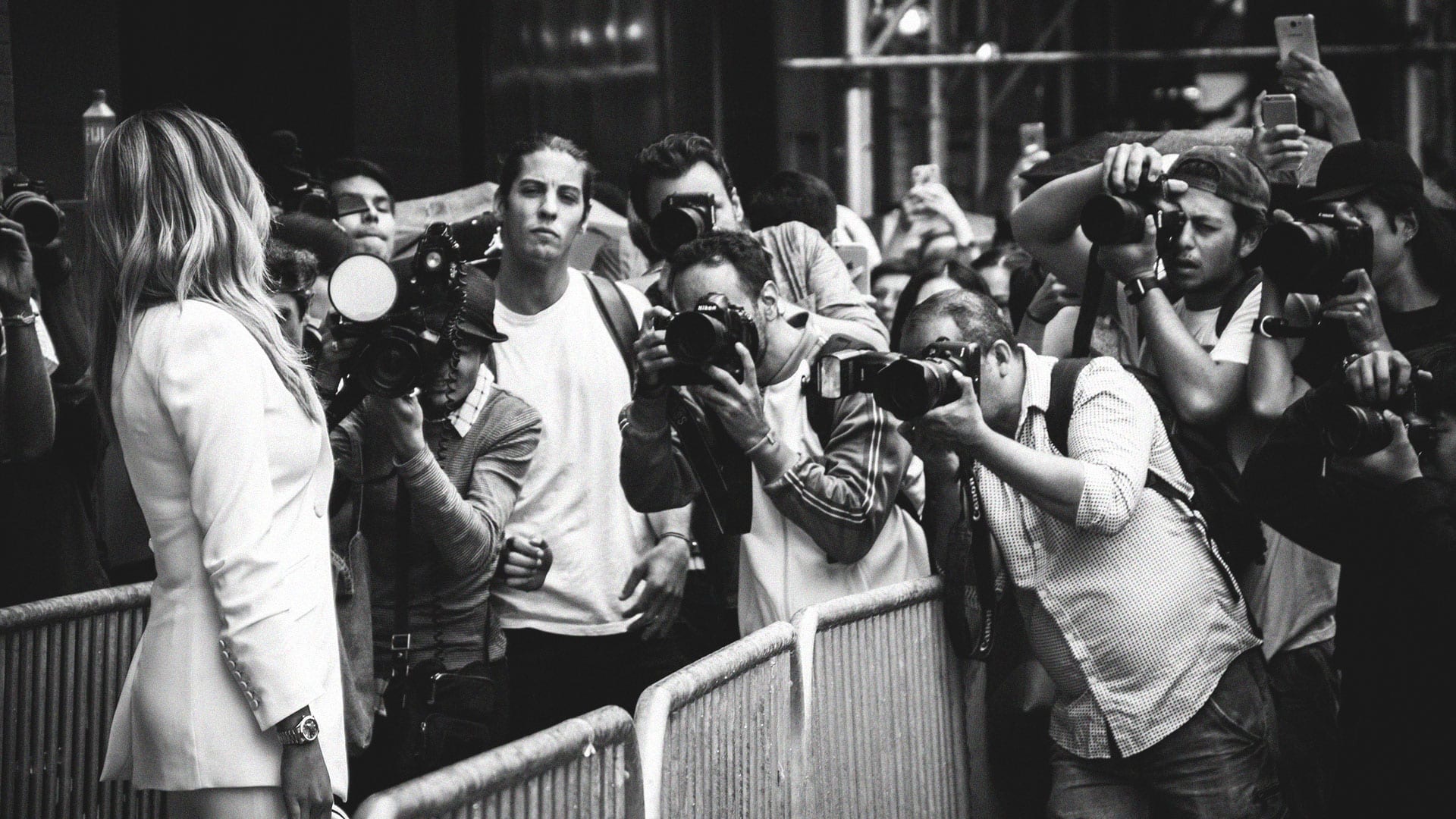
Using a long-range lens to shoot through a window into a hotel room constitutes a severe violation of French law.
The act of capturing the image itself is high-risk, as this is precisely the private context that criminal statutes like Article 226-1 are designed to protect.
Publishing such a photo worsens the legal exposure, especially since the image was obtained through an inherently illegal act of intrusion into a private sanctuary.
Scenario 3: A Politician’s Family At A Café Terrace
When a publication runs images of a public official’s family during an off-duty moment, the court focuses on one central question: Does this serve a legitimate public interest or merely satisfy voyeuristic curiosity?
Judges examine whether the content contributes to a serious public debate or is simply an invasion of privacy. In most cases, family members who are not public figures themselves retain high levels of protection against such exposure.
Scenario 4: Fan Photo Posted To Social Media
Many believe social media is a legal free zone, but image rights apply just as strictly online. A tourist posting a selfie with a recognizable person without explicit consent is still technically infringing on that individual's right to image.
The risk of litigation increases dramatically if the post encourages harassment, facilitates doxxing, or reveals the subject's private location patterns, proving that digital sharing is never outside the reach of the law.
Takeaway: The legal temperature rises with a private setting, intrusive method, and identifiable person-wide distribution.
When The Law Steps Aside: Legitimate Exceptions
The law is strict, but it is not a total ban on photography. French jurisprudence recognizes that a society cannot function without a free press and historical record.
The Right To Information And Public Figures
For a photo to be legal without consent, it must often serve a legitimate public interest. If a politician is performing their official duties or a celebrity is involved in a major public event.
The courts may rule that the public's right to be informed outweighs the individual's right to privacy. However, this rarely extends to their intimate life. Photos of a minister on a private vacation are almost always illegal.
Crowds And Incidental Subjects
You generally do not need a release for every person in a shot of a protest at the Place de la République or a wide shot of the Eiffel Tower crowd.
As long as no single person is isolated or the focus of the image, the law views them as incidental to the scenery.
What To Do If You’re Photographed Or Published Without Permission
If you’re the subject, you want speed, evidence, and the right channel, not just anger (even when it’s justified).
Immediate Steps: Evidence, Takedown Requests, And Legal Routes
Start with actions that preserve leverage:
- Save evidence: screenshots, URLs, timestamps, and where it was posted.
- Request removal from the publisher/platform, clearly stating why it violates privacy/image rights.
- If it’s indexed in search, consider de-referencing requests (right to be delisted), which removes certain results from search visibility in France.
- If the capture/publication involved a private place or illegal obtaining, consider a criminal complaint pathway as well as civil action.
Platforms Vs Press: Why The Path Matters
Your strategy changes depending on where the image lives:
- Social platforms: policy-based reporting tools can be faster than courts, but outcomes vary.
- Press outlets: formal legal notices and rapid court measures can matter when harm is ongoing.
Children And Vulnerable People: A Higher-priority Response
When children are involved, escalate faster and more formally. France has also developed specific rules around children whose images are distributed on online platforms, reflecting heightened sensitivity around minors’ exposure.
Even public figures who live in the spotlight often draw a hard line around family members, especially children, because once an image spreads online, it can be copied, indexed, and resurfaced for years.
A simple illustration is Omar Sy’sapproach to keeping his private life out of the media spotlight, which aligns with the practical reality of French image-right disputes: minors and intimate family contexts are treated as high-sensitivity situations where publication risk rises fast.
In February 2024, France enacted Law No. 2024-120, specifically designed to protect a child's right to their own image. This law clarifies that protecting a minor's image is a fundamental duty of parental authority.
If parents disagree on a child's photo being published, or if the sharing seriously harms the child's dignity, a judge can now intervene and even strip parents of their right to manage the minor's image.
Takeaway:Your best leverage comes from documenting the harm, acting quickly, and choosing the right process for the channel.
AI-Era Checklist: Deepfakes, Drones, And AI Overviews

This section is about modern distribution and synthesis because today’s paparazzi photo may be scraped, remixed, geolocated, and republished by accounts you’ve never heard of.
Deepfakes And Photomontage
The legal landscape for AI has been codified under the Law to Secure and Regulate the Digital Space (SREN) and the Penal Code (Article 226-8).
Sharing a deepfake or a non-consensual montage of a person, even if it is labeled as AI, is a criminal offense if the subject has not consented.
Furthermore, under the Influencer Law of June 9, 2023, any image used for promotion that has been digitally filtered or altered to change a person's physical appearance must include a mandatory Retouched Image label.
Practical implication:
If a meme, AI edit, or composite places a person in a situation they never actually occupied, do not view it as mere content.
Treat it as high-risk. Under French law, these digital distortions can violate personality rights as severely as a real photo, triggering the same strict legal penalties.
Metadata, Location, And Pattern Harms
Modern photos often reveal:
Modern images reveal far more than a single moment; they often expose exact locations, sensitive personal associations, and daily routines like specific gyms or schools.
French courts recognize that these details provide a roadmap to a person's private life, making the background of your photo a significant legal liability.
Even if each post seems minor, the pattern can become intrusive and, in privacy disputes, may look like systematic tracking, especially when paired with real-time posting.
Real-time Location Sharing Can Be Criminal In France
France’s Penal Code doesn’t only cover private-place images. Article 226-1 also targets capturing, recording, or transmitting someone’s location, whether in real time or later, without consent. That matters for paparazzi-style live posting, geotagging, and here they are right now updates.
Search, Scraping, And Takedown Reality
Two realities can be true at once:
In the digital age, you can successfully win a removal order from one platform while the image persists elsewhere.
Even after a legal victory, photos often remain in archives or search results. This means a privacy win in court is only the first step in a long-term battle against digital persistence.
French public guidance points people to delisting (de-referencing) pathways and CNIL procedures as part of the practical toolkit for online harms.
Takeaway: In the AI era, risk isn’t only publication. It’s republication at scale, so plan for containment, not perfection.
Also Checkout: Safeguarding Your Land In The Yellowstone Realm
Frequently Asked Questions (FAQ)
What Are The Rules For Paparazzi In France?
There isn’t a paparazzi license. The key issues are privacy (Civil Code), private-place capture (Penal Code), and whether publication is justified or intrusive.
Can You Take Photos Of People In Public In France?
Often yes, but publishing an identifiable person can still be challenged—especially if it reveals private life details or is used commercially without authorization.
Is It Illegal To Post Someone’s Photo On Instagram In France?
It can be. French guidance treats image rights as applying online, and posting without agreement can create liability depending on context and use.
What Is The Right To Image In France?
It’s the ability to control reproduction/use of your identifiable image, derived from personality/privacy principles and applied case-by-case, with exceptions like legitimate information.
What If The Person Is A Public Figure?
Public figures still have privacy and image rights, but courts may allow publication when it contributes to a legitimate debate of general interest rather than curiosity.
What About Children Photographed In Public?
Children’s exposure is treated with greater sensitivity. Consent requirements and protective approaches typically become stricter and escalate faster in disputes.
What Damages Or Penalties Can Apply?
Penalties depend on the legal route. For example, private-place image capture can carry criminal penalties, and civil courts can order measures to stop privacy violations.
What Is The Fastest Way To Get A Photo Removed?
Document evidence, request removal from the publisher/platform, and use appropriate formal routes (including emergency measures where available).
Can I Blur A Face To Be Safe?
Blurring can reduce identifiability and lower risk, but it’s not a magic shield if the person is still identifiable by context or the publication is otherwise intrusive.
Does Consent To Be Photographed Mean Consent To Publish?
No. Guidance emphasizes that a person can accept being photographed yet not consent to later promotional/commercial use or broader distribution.
What Is The 49.3 Rule In France?
It’s a constitutional procedure for adopting legislation, not a rule about photography or paparazzi images. (Included because it sometimes appears in unrelated search results.)
What Is The 5 To 7 Rule In France?
While '5 à 7' refers culturally to afternoon trysts, there is no specific '5 to 7 law' that grants extra privacy during these hours. The protection of private life (Article 9) is 24/7; an image of a private encounter is just as illegal at 2 PM as it is at 2 AM.
What Are The Photography Laws In France (general)?
They’re a mix of privacy law, image-right principles, criminal rules for private-place capture, and sector rules (press, commercial use, minors, etc.).
Can I Sue If A Tabloid Publishes My Photo?
You may have options under privacy/image-right principles, and courts can order measures to stop or limit ongoing harm depending on the facts.
Can I Force Google To Remove Paparazzi Photos?
You may be able to request delisting of certain search results in France; the content can remain online elsewhere even if search visibility is reduced.
Do French Privacy Laws Apply To Tourists In France?
Yes. The protections discussed generally apply to individuals in France, regardless of nationality, because they’re tied to rights of the person and conduct occurring in France.
Final Thoughts
Navigating French law on paparazzi photos requires a shift in mindset. Instead of asking Is this a public place?, You must ask Am I intruding on this person’s dignity?
The French legal system is designed to protect the sanctity of the individual over the freedom of the lens.
Whether you are a journalist or a tourist, the safest path is transparency. If you want to capture the soul of France through its people, a simple Puis-je prendre votre photo? May I take your photo? isn't just polite, it’s your best legal defense.
Jump to
French Law On Paparazzi Photos: Navigating The World’s Strictest Privacy Rules
The Core Of French Privacy: Article 9 And The Right To Image
French Law On Paparazzi Photos: What’s Legal To Shoot Vs Legal To Publish In France
What Counts As Paparazzi Behavior In France
The Consequences: Fines, Jail, And The Penal Code
Common Paparazzi Scenarios
When The Law Steps Aside: Legitimate Exceptions
What To Do If You’re Photographed Or Published Without Permission
AI-Era Checklist: Deepfakes, Drones, And AI Overviews
Frequently Asked Questions (FAQ)
Final Thoughts
Latest Articles
Popular Articles